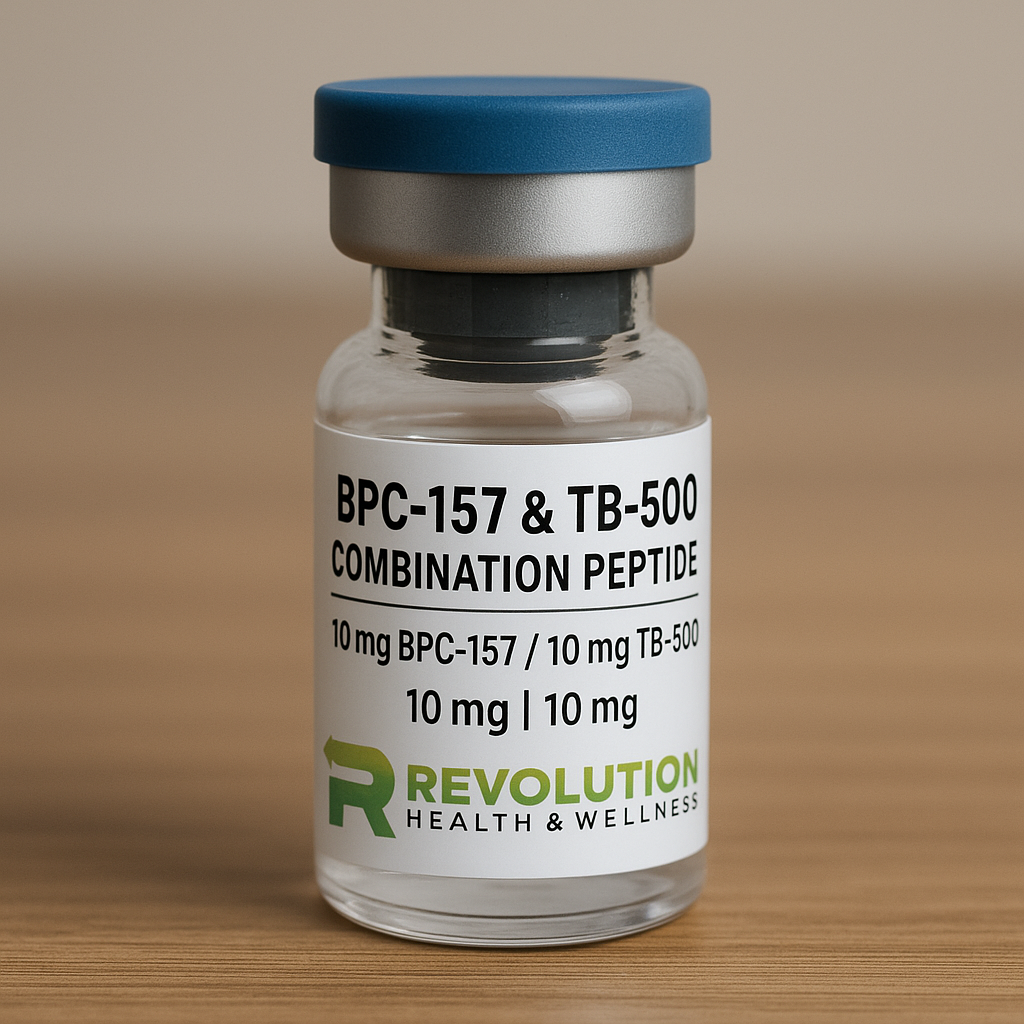
Originating from groundbreaking research at the University of Zagreb under Dr
This copper peptide gene regulation manifests in several clinically significant ways: Downregulation of Pro-Inflammatory Genes: It actively suppresses genes associated with inflammation, such as those in the IL-6 and NF-B pathways, which are major drivers of cellular aging
Excess tissue: You are left with a surplus of skinoften thin, crepey, and hanging

It greatly facilitates the FDAs comprehensive assessment of drug safety after a drug is marketed ( 2 Method 2.1 Data sources and cleaning We conducted a retrospective pharmacovigilance study using the FAERS database ( of patients using TIL from the first quarter (Q1) of 2018 to the fourth quarter (Q4) of 2023, since TIL was approved for use by the FDA in March 2018, FAERS covers seven areas: demographic and administrative information (DEMO), drug information (DRUG), adverse drug reaction information (REAC), patient outcome information (OUTC), reporting source information (RPSR), date of treatment initiation and date of end of reported medication (THER) and medication administration indications (INDI) ( ADRs in the FAERS database are coded according to Preferred Terms (PTs) in the Medical Dictionary for Regulatory Activities Code 24.0 (MedDRA), and multiple PTs can correspond to a System Organ Class (SOC) level ( 2.2 Disproportionality analysis and signal detection Disproportionality analysis refers to the assessment of spontaneously reported cases to detect signals in order to hypothesise a potential causal relationship between a specific drug and its ADRs, using all ADRs as a statistical background ( 2 4 and N 3

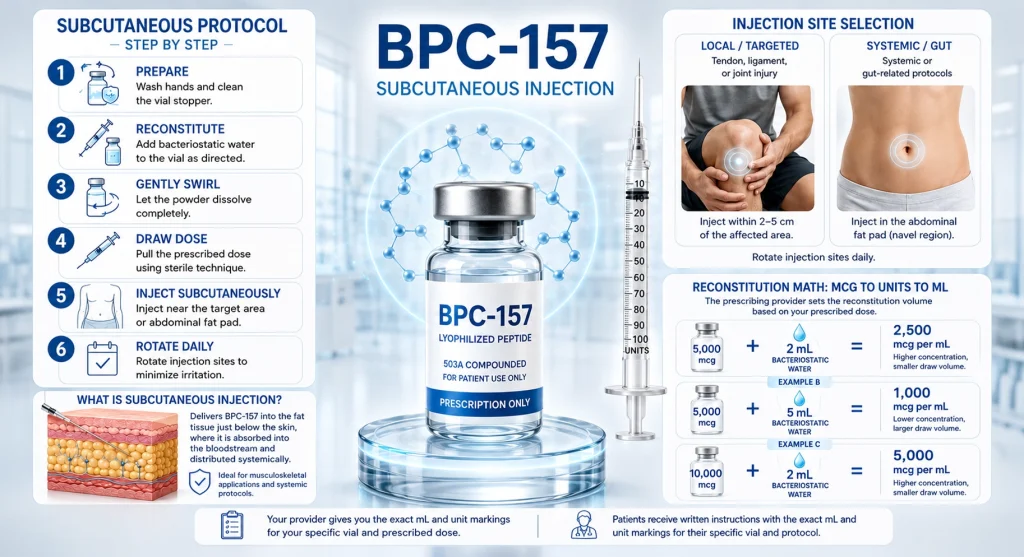
BPC-157 was initially investigated for preventing and managing stomach ulcers, and further research delved into its potential for improving wound and injury healing in test subjects [3]
The BPC-157 and TB-500 stacking guide discusses how these peptides work together